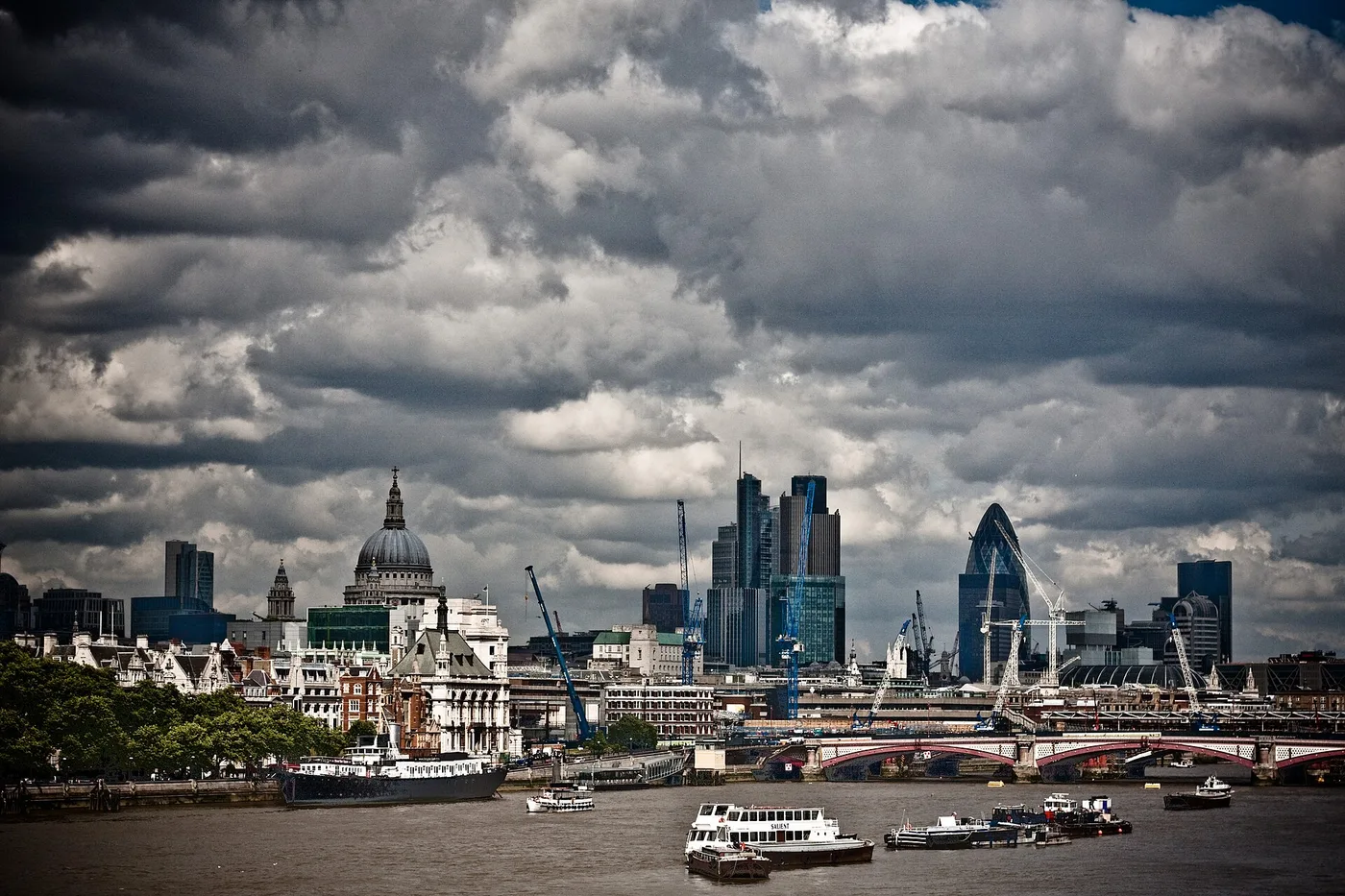
The United Kingdom sits between the Atlantic Ocean and the larger landmass of continental Europe. Different air masses can reach it from different directions, bringing contrasting temperatures and moisture. The Met Office explains that a front forms where air masses with different characteristics meet.
That geography helps explain why a settled spell can give way to rain or wind. The change is not random in the everyday sense: it is connected to moving weather systems and the conditions within them. But the timing and local effects can still be difficult to pin down far in advance.
The route matters
The Met Office’s guide to fronts describes the boundaries associated with changing weather. The direction from which air arrives and the surface it has crossed influence its properties. Air that has travelled over the sea need not behave like air arriving from a large landmass.
Britain’s hills, coasts and cities add local differences to the larger picture. A national forecast is therefore a summary, not a promise that every place will experience identical conditions. Checking the forecast for the right location and time is more informative than treating a single symbol as the outlook for the whole country.
Read the pattern, then the detail
When a forecast changes, ask whether the track, timing or strength of a weather system has been revised. Those are different changes. A useful weather story explains the pattern and its uncertainty rather than turning every wet afternoon into evidence that forecasting has failed. For current conditions, use the latest official forecast rather than this general explainer.
Follow the sources
Reference material consulted for this explainer. External publishers are not affiliated with or endorsing Factlore.
Source material consulted 14 November 2026.
A question to take away
Which part of a forecast helps you most: the headline, the hourly detail or the explanation of uncertainty?