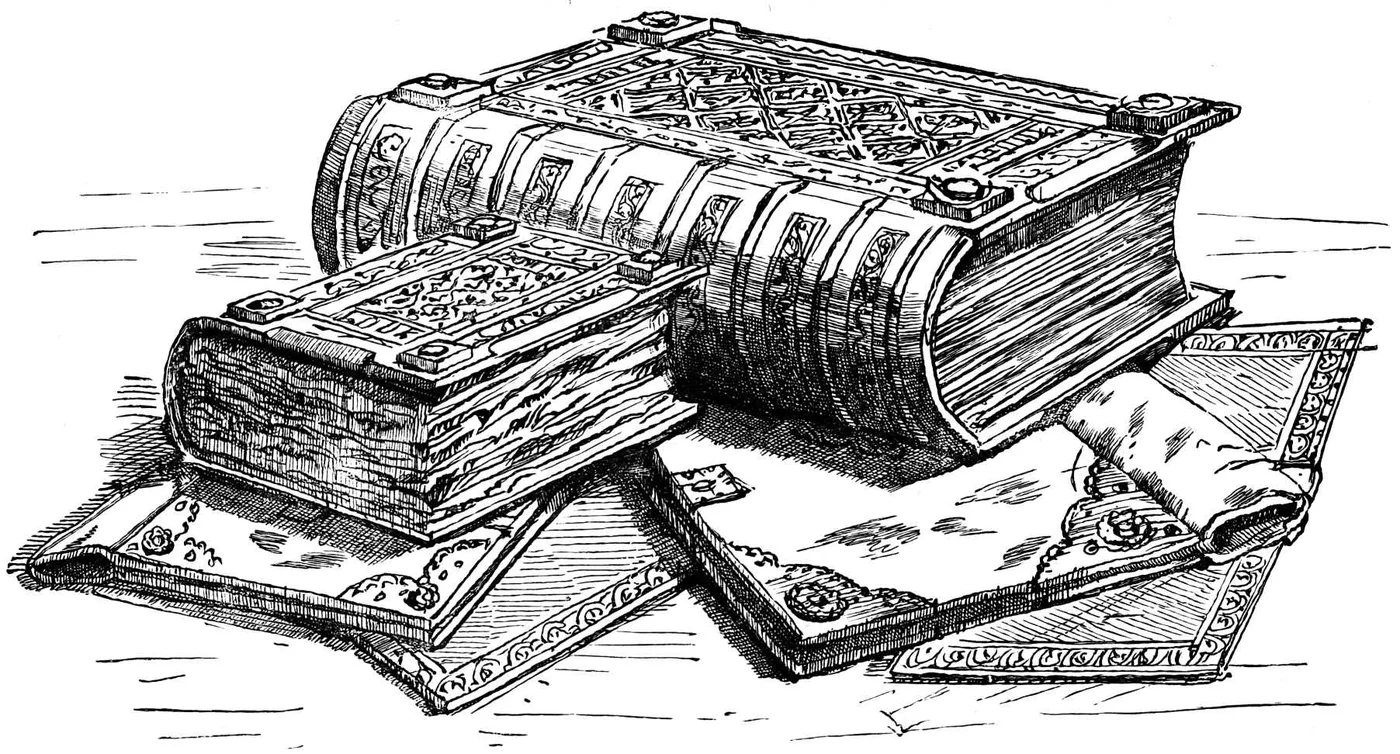
Domesday Book records the results of the great survey associated with William I in 1086. The National Archives explains how the record concerns landholding, resources and value. It is an unusually important route into the aftermath of the Norman Conquest.
Its richness can tempt readers to treat it as a complete portrait of everyone’s life. But a survey designed around land and obligations does not answer every question about medieval society. The purposes of the record shaped what was asked and what was preserved.
Names and places need context
The National Archives’ research guide distinguishes the information recorded about different moments and explains how to find entries. A place name, an assessed value or a named holder belongs within the document’s administrative structure. Extracting one item without that structure can make it appear simpler than it is.
Translations and transcriptions are valuable tools, especially when a reader cannot work directly with the original. They should still be identified as such. A modern search result is a route into a record, not a substitute for understanding its wording and context.
Ask what is absent
For a research question, ask whether the survey was intended to capture the information you want. Absence from a record does not always mean absence from the past. Compare other evidence where possible and be cautious about generalising from an entry to every community. Domesday’s importance comes not from its answering everything, but from the unusually detailed questions it lets historians pursue.
Follow the sources
Reference material consulted for this explainer. External publishers are not affiliated with or endorsing Factlore.
Source material consulted 14 November 2026.
A question to take away
What would you want to know about a survey’s purpose before using it to describe a society?